All articles
A New Type of Benefits Expert is Bridging the Gap Between Group and Individual Coverage
Anthony Lopez, Co-Founder of The ICHRA Consultants, discusses the surprising talent shortage created by the booming ICHRA market and explains why the key to success is a human service layer, not just technology.

Make Benefits Brief News one of your go-to sources on Google

About 10% of the employee base is really going to get into the weeds. If we just try to shuffle them through an enrollment, ICHRA will fail for that group because it will fail for that employee.
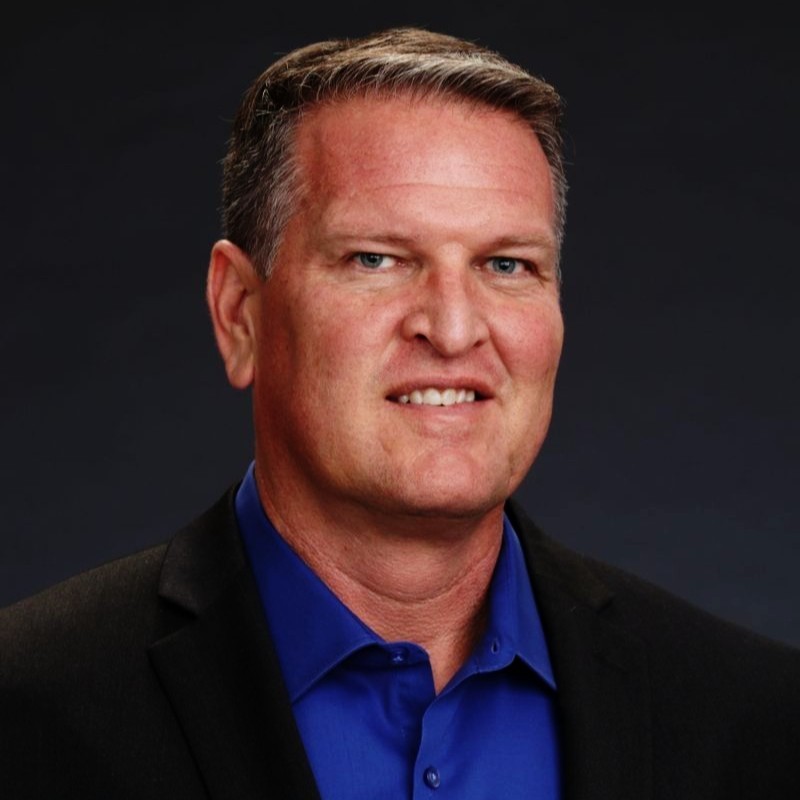
Anthony Lopez
For years, the main challenge for ICHRA vendors was explaining what the model is. Today, the challenge is making it work. While the market is growing at a breakneck pace, that growth has created a thornier bottleneck that's less about the product itself and more about a talent shortage at the intersection of group and individual benefits.
That’s where Anthony Lopez, Co-Founder of The ICHRA Consultants, comes in. His 25+ years of experience in benefit and executive leadership puts him at the center of this change. Lopez believes the industry's fixation on tech means many are overlooking the human service layer, which can make or break success with the ICHRA model.
"About 10% of the employee base is really going to get into the weeds. If we just try to shuffle them through an enrollment, ICHRA will fail for that group because it will fail for that employee." Lopez says serving those needs can be challenging because ICHRA requires brokers to be fluent in two worlds that rarely mix. "A broker's background is typically either in the group space, working with an employer on benefit strategy, or in the individual space, and they rarely cross over. But with ICHRA, you have to combine those worlds." The real talent, he says, is understanding both markets to bring them together as one cohesive service.
Creative coverage: For small businesses in particular, finding better health insurance options is often tied to this expert guidance. Lopez can think of many real-world scenarios that generate tangible savings, but that would be near-impossible for an employee without expertise to construct independently. "A guided employee might choose a higher-deductible plan to lower their premium, then add a medical bridge plan that pays cash toward the deductible in case of a major medical event. That strategy can lower their overall premiums by a meaningful $100 to $150 a month while providing the same effective level of protection."
Broker knows best: Lopez says the human touch of a knowledgeable broker is also indispensable for employers choosing whether to offer ICHRA in the first place. "In some 'hot' ICHRA markets, the individual rates for the same plan can be 20% lower than the group rates. Those are no-brainers. But in other areas, the group plan is still a better option, which is why ICHRA is not a solution for everybody."
Two key market segments are currently driving ICHRA's head-turning growth. First, Lopez says, are groups that are entering the benefits space for the first time. "You have groups in the under-50 market who traditionally couldn't offer coverage because of price or participation requirements. ICHRA has no participation requirements, so these employers can offer what they can afford and get adoption, even if it’s below the threshold for a traditional group plan." The other segment is large employers priced out by sky-high renewals. "ICHRA offers a fantastic solution by allowing them to transition away from the liabilities of self-funding to a defined-contribution model, which means their renewal rates will stay relatively consistent and predictable."
Growing pains: Though the market's rapid growth is exciting, Lopez explains that it has also created its own hurdle in the form of vendor overload. "There are 40-plus admins today, so when a broker or an employer is looking, it's overwhelming."
Expert opinion: The challenge has given rise to a new type of specialist: a dedicated consultant whose entire function is to vet platforms. "A lot of that vetting comes from direct experience, like running groups with these platforms and learning where the gaps are," he says.
According to Lopez, the market's relative youth means many consultants may not have a deep health insurance background. That's where he says focusing on expertise and service matter. "Service will always be the foundation," he says. "When that phone rings, the employer needs to know that someone is picking up and servicing their employees. That's the real differentiator."





.png)