All articles
Soaring Benefit Costs Spark A Shift From Passive Buying to Vigilant Stewardship
Scott Bennett, Advisor for Marsh McLennan Agency, explains how business leaders can use data transparency and a fiduciary mindset to escape the reactive buying cycle.

Make Benefits Brief News one of your go-to sources on Google

I have a very unique perspective as a 'super user' of the system, and I want employers to understand from the top that the way they've been buying healthcare is wrong.
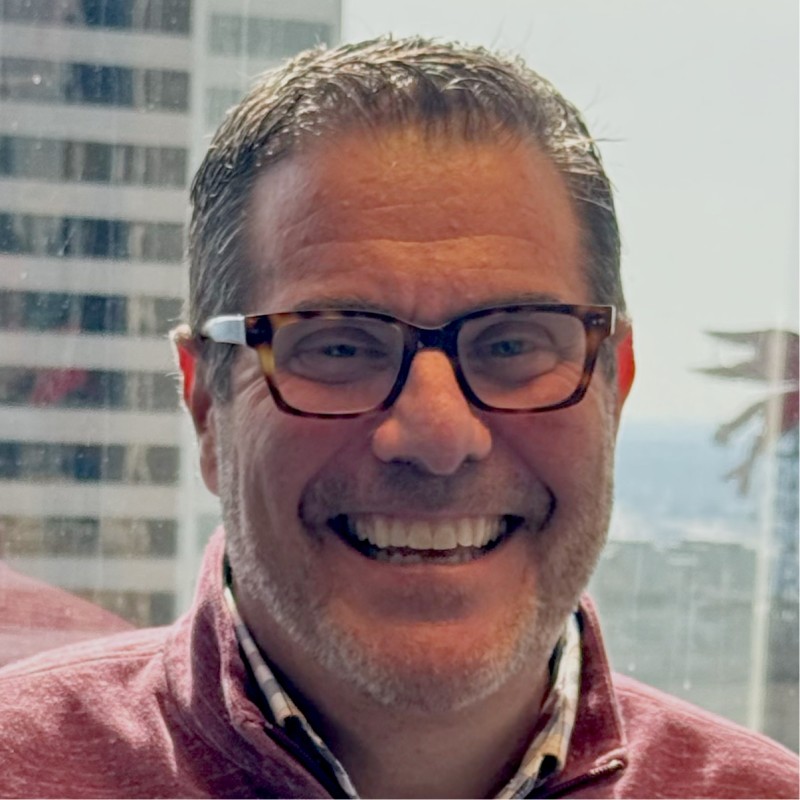
Scott Bennett
Healthcare is a top-three expense for most organizations, yet it's managed in a reactive, one-year cycle with incomplete information. This transactional approach persists even as many employers face the highest health benefit cost increase in 15 years, creating major budget uncertainty and putting unprepared companies at a disadvantage as the health industry weathers its own economic pressures.
Scott Bennett, an Advisor for Marsh McLennan Agency and the Founder of Heart of It Strategies, is working to fix the broken system. Though his business credentials include more than 30 years of success in sales, marketing, and entrepreneurship, his primary driver for entering the benefits space was personal. Both he and his father are heart transplant recipients.
"I have a very unique perspective as a 'super user' of the system, and I want employers to understand from the top that the way they've been buying healthcare is wrong," he says. He points out that employers don't sign commercial leases or negotiate other major capital expenditures one year at a time. "Yet healthcare, which is their third biggest cost, is done this way. They have to change the way they're doing it."
Buying in the dark: For years, Bennett says, employers have been trapped in a ten-month rolling cycle, reacting to a market where innovation itself drives up costs. "They renew and then ten months later, if they're not self-insured, they're buying again with no idea what the renewal is going to be. They're buying blind."
The renewal shock: This cycle leaves organizations vulnerable to sudden, massive renewal spikes, the likes of which hit employers hard entering 2026. Bennett says it's a major financial risk, especially for businesses that can't afford to absorb a difficult claims year. "Some for-profit businesses have other engines to offset the cost, but many organizations simply can't. For them, it sinks the battleship."
In his view, the solution begins with employers leveraging data transparency to gain control over costs and understand where their dollars are actually going. That transparency can allow them to adopt targeted solutions or add voluntary benefits plans to better serve employees and lower costs. "The genie's out of the bottle on data," Bennett says. "For so long, that healthcare data wasn't shared. If you asked for it, you got very high-level data, but now you have the ability to drill down. When you can better understand where your dollars are being spent, you can more properly address buying towards those things." More data is also fueling a move toward alternative models like self-funded mechanisms. As of last year, nearly 30% of covered small business employees were enrolled in self-funded plans.
The fiduciary mandate: Embracing this new power presents a challenge for leaders to navigate responsibilities and risks with an added level of accountability, as a growing chorus calls for employers and brokers to adopt a true fiduciary mindset. Fiduciary duty requires benefit plan managers to act as vigilant stewards of participant funds, which is a role Bennett sees in conflict with a system that has long benefited from opacity. "Frankly, there have been misaligned incentives. Brokers get paid more money when the premiums increase. That's just the truth, and nobody wants to say it," he asserts.
Vigilant stewardship: To Bennett, the fiduciary's job is to move beyond being a passive purchaser to become a highly consultative advocate. "To be a responsible fiduciary is to work on behalf of the employer, bringing to light both how they are purchasing benefits and the potential solutions that could create cost savings." With the widespread availability of technology and data, he says, ignorance is no longer a defense for poor plan management.
Bennett's personal journey puts these business challenges into a human context and underscores his call for leaders to treat healthcare as the vital, always-on budget item that it is rather than a once-a-year transaction. He says fixing the disconnect between the world's best medical innovation and its most irrational business practices requires a fundamental change in mindset. "People are dying because of insurance-related issues," he says. "You never think it's going to be your story until it is."





.png)