
All articles
New Laws in New York Force Insurers to Cover Pricey EpiPens and Cancer Care
New York implements new laws forcing health insurers to cap costs for EpiPens and cover specific cancer treatments.

Make Benefits Brief News one of your go-to sources on Google


Three new laws in New York that took effect January 1 are forcing health insurers to cap costs for life-saving EpiPens and cover expensive cancer treatments, providing financial relief for residents but raising industry concerns about rising premiums.
A shot of relief: For anyone with a life-threatening allergy, the annual out-of-pocket cost for EpiPens is now capped at $100. The move provides a ceiling for a device whose price has soared by 600% to over $600 for a two-pack in recent years. "New Yorkers shouldn’t have to choose between putting food on the table or being able to afford life-saving medical devices and procedures," Governor Kathy Hochul said in a statement.
Targeting cancer costs: The state is also taking aim at the high costs of cancer care. Insurers must now cover doctor-recommended breast screenings with no out-of-pocket costs, and large-group plans must now pick up the tab for scalp cooling systems—a treatment to prevent hair loss that can run from $1,500 to $3,000 per round.
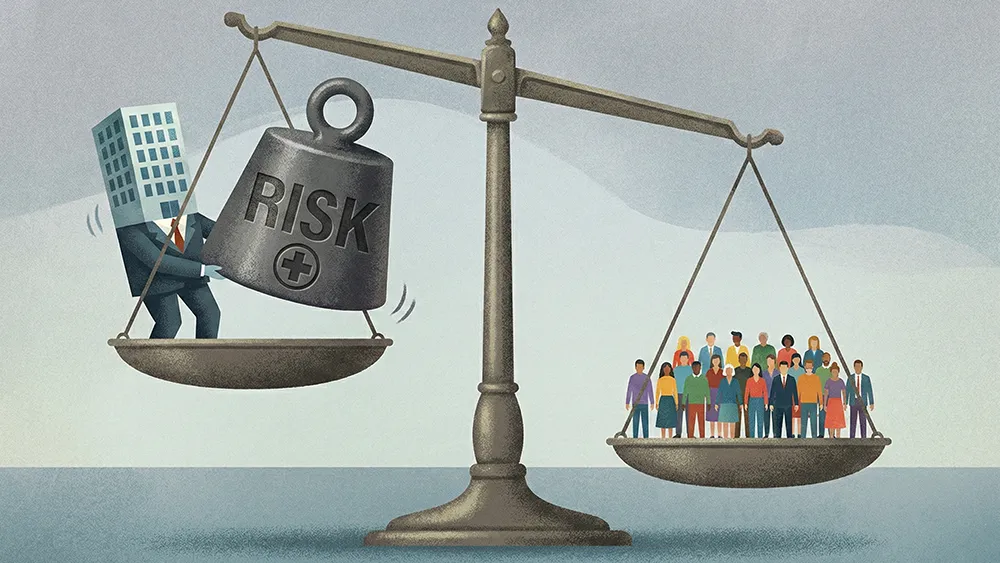
The fine print: The new rules come with a catch. The EpiPen cap has a loophole for high-deductible plans: it only kicks in after a patient has met their yearly deductible. And while consumers get a break, some in the insurance industry warn that mandating more coverage will just lead to higher premiums for everyone down the line.
The new laws represent a direct state-level intervention to curb specific, burdensome healthcare costs, setting up a classic tension between immediate patient affordability and the potential for broader increases in insurance premiums.



.png)